
AI Detectors for Copywriters | How to Use Them Effectively
AI writing tools have become part of many copywriters’ workflows. They can help generate ideas, overcome writer’s block, and produce first drafts more quickly. As AI-assisted writing becomes more common, however, many clients, publishers, and organizations also want reassurance that the final content feels original and authentic.
AI detectors can help identify text that may appear AI-generated, but they should be used carefully. Like grammar checkers, they are designed to support the editing process rather than replace human judgement.
Whether you’re reviewing AI-assisted content or editing work from other writers, understanding how AI detectors work can help you use them more effectively.

What are AI detectors?
AI detectors estimate whether a piece of text was likely written by an AI model or a human writer by analyzing writing patterns. For example, they evaluate sentence structure, vocabulary, predictability, and repetition before estimating how likely it is that AI generated the text.
Because they rely on statistical patterns rather than direct evidence, AI detectors can sometimes make mistakes. Human-written content may be flagged as AI-generated, while AI-written content may occasionally go undetected.
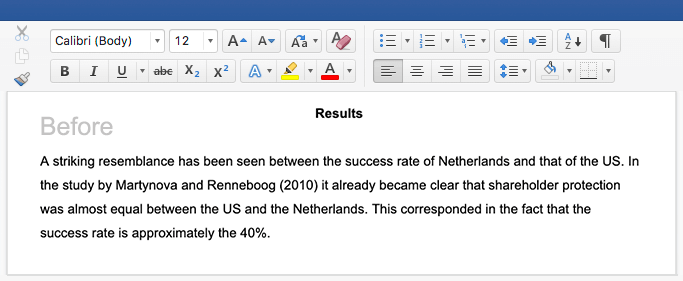
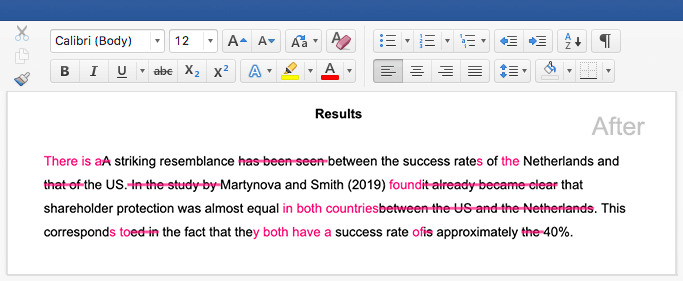
In this example, the detector helps identify areas for review, but the copywriter decides what changes to make.
If you use AI-assisted writing tools for copywriting, be sure to follow your employer or other institution’s rules regarding the disclosure, citation, and acknowledgment of AI-generated or AI-assisted content.
Why copywriters use AI detectors
AI detectors are not designed to measure writing quality. Instead, they can help copywriters identify sections of text that resemble AI-writing patterns and therefore may benefit from additional editing.
AI-generated writing often shares characteristics such as:
- repetitive sentence structures
- predictable transitions
- generic examples
- overly neutral language
- repeated keywords
- limited original insight
Reviewing these aspects can help improve readability and create content that feels more natural to readers.
7 ways copywriters can use AI detectors effectively
1. Use AI detection as part of the editing process
AI detectors are most useful after you’ve completed your first draft.
Running every paragraph through a detector while writing can interrupt your workflow and encourage unnecessary editing before your ideas are fully developed.
Instead, finish your draft first, revise it for clarity, and then use an AI detector as a final review step.
2. Focus on flagged sections
If a detector highlights certain paragraphs, review those sections rather than rewriting the entire document.
Look for:
- repetitive wording
- generic statements
- similar sentence patterns
- excessive transition words
Often, a few targeted revisions are enough to improve the overall flow.
3. Add specific examples
AI-generated content often explains ideas in broad terms.
Adding concrete examples makes writing more engaging and demonstrates real understanding of the topic.
Many businesses use AI to improve efficiency.
After:
Marketing teams may use AI to draft email campaigns, while customer support teams often rely on it to summarize conversations and suggest responses.
4. Adapt the tone to your audience
AI-generated writing often sounds neutral because it is designed to work across many contexts.
Copywriters should adjust the tone based on the intended audience.
Ask yourself:
- Who will read this content?
- What level of expertise do they have?
- Should the tone be conversational, professional, or persuasive?
Tailoring the tone helps create content that feels intentional rather than generic.
5. Review the content, not just the score
An AI detection score is only an estimate.
Instead of focusing on the percentage, review the flagged passages to determine whether they sound repetitive, are overly formal, or lack detail.
Scribbr’s AI Detector highlights passages that may need closer review, allowing you to focus your edits instead of relying on an overall AI score.
6. Check for originality
AI tools are excellent at creating or refining content, but copywriters can add real value by contributing original ideas and perspectives.
When editing AI-assisted content, consider whether you can include:
- practical recommendations
- industry-specific examples
- original insights
- relevant case studies
These additions make content more informative and distinctive.
Originality involves more than writing style. Before publishing, you can also use Scribbr’s Plagiarism Checker to verify that your content is properly cited and doesn’t unintentionally match existing sources.
7. Combine AI detection with human editing
AI detectors work best alongside careful editing.
After reviewing the detector’s results:
- improve awkward phrasing
- remove unnecessary repetition
- verify facts and statistics
- strengthen examples
- read the content aloud
Thoughtful human revision remains a key element of creating clear, engaging content. These final revisions help create writing that feels more natural and engaging.
Common mistakes when using AI detectors
AI detectors can be valuable editing tools, but they have limitations.
Avoid these common mistakes:
- assuming every detection result is correct
- rewriting content solely to lower the AI score
- ignoring factual accuracy because the detector reports a low AI likelihood
- forgetting to review the content manually
The best results come from combining AI detection with thoughtful editing.
When should copywriters use AI detectors?
AI detectors can be helpful when you’re:
- reviewing AI-assisted drafts
- editing outsourced content
- checking articles before publication
- maintaining a consistent brand voice
- refining marketing or SEO copy
They are most effective as part of the editing process rather than as a test that content must “pass.”
Ultimately, readers care less about how content was created than whether it is accurate, useful, and easy to understand. AI detectors can support those goals, but strong copywriting still depends on careful human editing.
Other interesting articles
If you want more tips on using AI tools, understanding plagiarism, and citing sources, make sure to check out some of our other articles with explanations, examples, and formats.
Using AI tools
Plagiarism
Frequently asked questions about AI detector for copywriters
Cite this Scribbr article
If you want to cite this source, you can copy and paste the citation or click the “Cite this Scribbr article” button to automatically add the citation to our free Citation Generator.
Gandhi, M. (2026, August 27). AI Detectors for Copywriters | How to Use Them Effectively. Scribbr. Retrieved October 14, 2026, from https://www.scribbr.com/ai-tools/ai-detectors-for-copywriters/